


Iron and Steel Supply
Selecting the Right Materials for Industrial Projects Through Steel Supply
In industrial, construction, and energy projects, material quality and supply continuity are among the key factors that directly influence the project’s success. In this context, Steel Supply is not merely about product procurement; it is a strategic process that ensures the right product group is delivered to the project at the right time and in accordance with the correct standards. Selecting steel product groups suitable for various applications in accordance with technical requirements paves the way for durable and safe applications.
IMG Group manages the entire process end-to-end by matching the steel products required by various industries with project specifications through its network of manufacturing partners and supply coordination approach.
The Importance of Product Groups in Iron and Steel Supply
Every project requires different steel product groups depending on its intended use and the loads it will be subjected to. For this reason, during the steel procurement process, not only the product name but also the production method, surface coating, mechanical properties, and dimensional tolerances must be evaluated together. The wide range of products, spanning from flat steel to structural steel sections, necessitates a planned and controlled approach to this process.
The product categories highlighted in this context are detailed on this page.
Flat Steel (Sheet Metal Products) and Its Wide Range of Applications
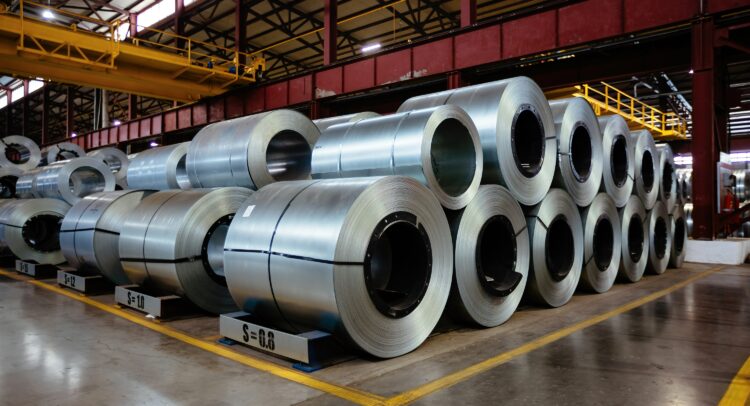
Flat steel products, are among the most widely used categories in the steel supply chain. These sheet-form products, available in various thicknesses and with different surface properties, are preferred as fundamental structural components in many industries. They are particularly widely used in industrial manufacturing, construction, and machinery production.
Flat steel sheet products vary depending on the production and coating methods used. This variety ensures that project-specific performance requirements are met. Surface quality, formability, and strength values are among the primary criteria considered during the procurement process.
Selecting the right grade of flat steel not only streamlines the production process but also enhances the strength of the final product. Therefore, clearly defining technical requirements is of critical importance.
Corrosion Resistance with Magnelis-Coated Steel
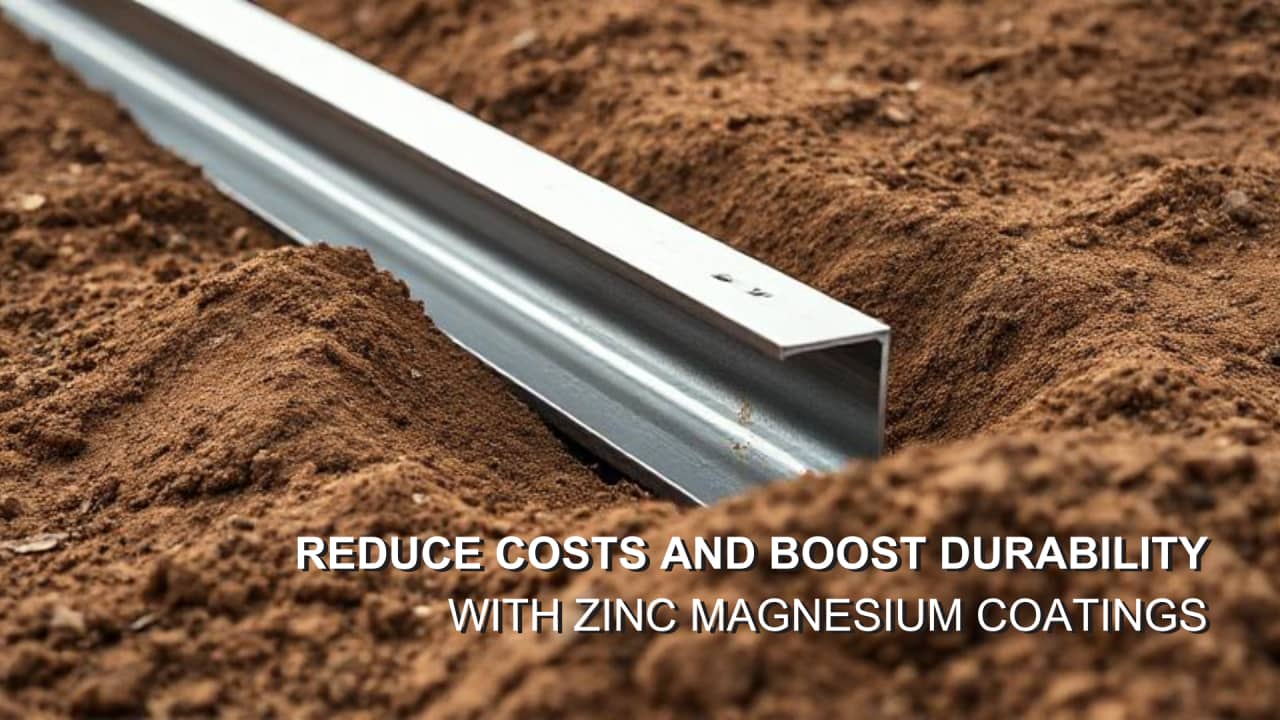
Magnelis, which holds a special place in the steel supply chain, is one of the preferred coated steel solutions for applications requiring high corrosion resistance. Thanks to its zinc, aluminum, and magnesium alloy coating structure, it provides long-term protection against harsh outdoor conditions.
Magnelis-coated products offer advantages, particularly in outdoor structures and energy projects. The coating structure provides protection even at the edges of sections, thereby reducing the need for maintenance. This feature helps lower the total cost of ownership.
At this point, the supply of Magnelis involves not only the provision of the product but also but also ensuring that the thickness is suitable for the intended application and a14> surface properties correctly determined requires. Project conditions appropriate matching, long-term performance in terms of is decisive for the project.
Rolling Profile Group with Structural Strength
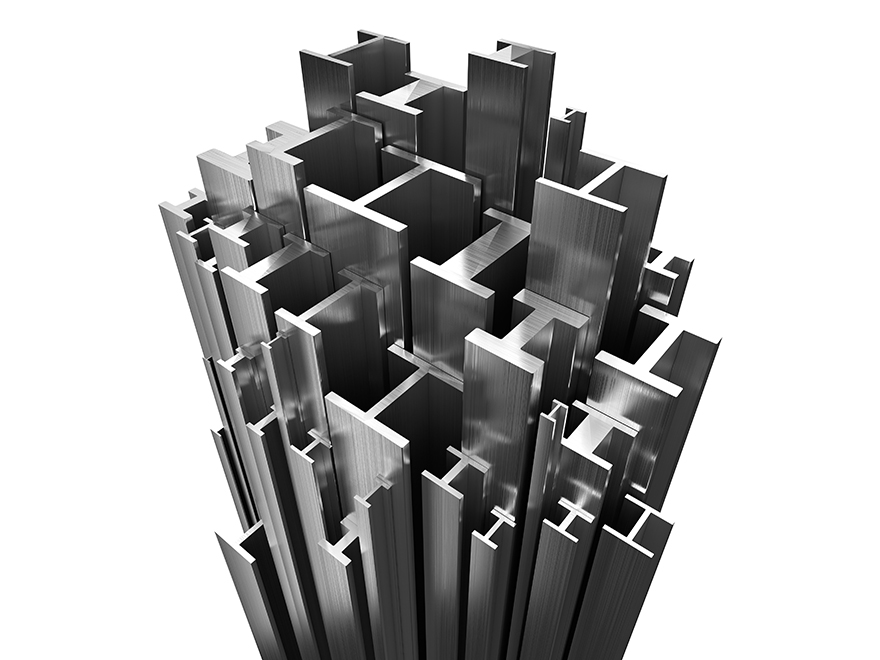
The rolled steel section group encompasses products that form the foundation of structural applications in the steel supply sector. Hot-rolled sections such as I-beams, H-beams, U-beams, and similar profiles are preferred in structures requiring high load-bearing capacity. These sections contribute to ensuring safe load transfer.
The production method for rolled profiles ensures a homogeneous structure and high strength values. For this reason, they are widely used in industrial structures, steel constructions, and heavy-duty load-bearing systems. During the procurement process, cross-sectional dimensions, material grade, and length tolerances are among the key criteria.
The correct selection of rolled steel profiles directly affects the structural stability of a building. Therefore, sourcing products that align with engineering calculations is an integral part of the steel supply process.
The Role of Pipe and Box Sections in Supply
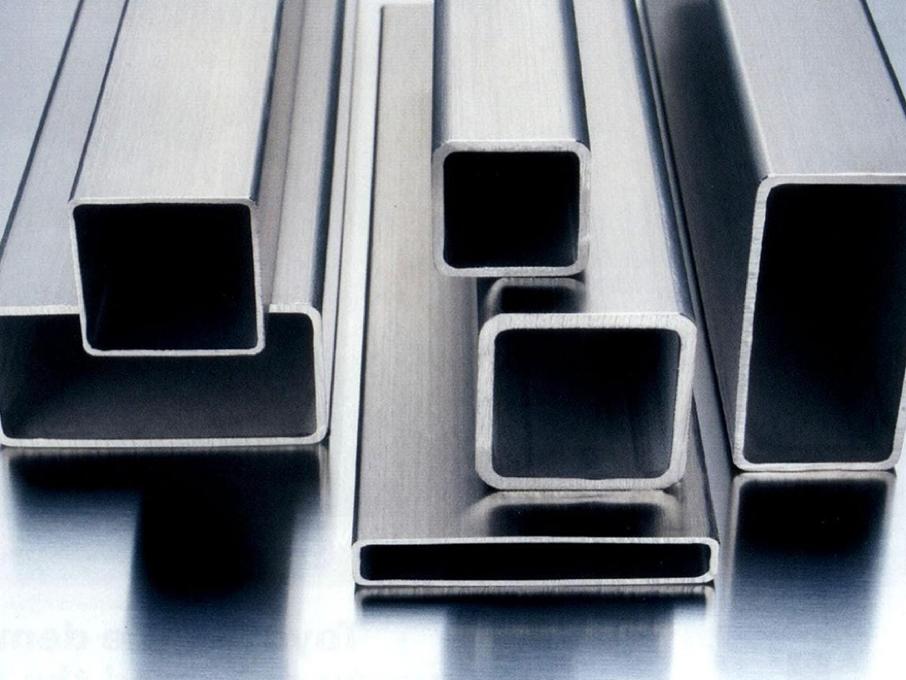
Tubes and box sections are among the product groups that offer both structural and aesthetic solutions within the scope of steel supply. These profiles, which come in square, rectangular, and circular cross-sections, are available in various thicknesses and dimensions and have a wide range of applications.
This product line stands out for its balance of lightness and strength. It is widely used in construction systems, machine frames, and various industrial applications. Production standards and surface protection options play a significant role in the supply of tubular and box sections.
Selecting the right profile for the project simplifies the installation process while ensuring long-term safety. For this reason, dimensional accuracy and quality documentation are considered key elements of the procurement process.
A Planned and Coordinated Approach to Steel Supply
The supply of iron and steel is a process that goes beyond simply procuring products and requires planning and coordination. The seamless integration of different product groups—such as flat steel, Magnelis, rolled sections, and pipe and box sections—within the same project requires technical knowledge and experience.
At this stage, a manufacturer-independent approach enables the selection of the most suitable product for the project. A thorough analysis of technical requirements helps keep lead times and costs under control. As a result, steel procurement—combined with the selection of the right product group and coordinated process management—supports the safe and sustainable implementation of projects.